Chicken Run Ideas For Small Backyards
Highlighted under: Hearty Home Dishes
When I first decided to keep chickens in my small backyard, I was overwhelmed with the design choices for their run. I knew that creating a safe, fun environment for my feathered friends was essential, but I also wanted to maximize the limited space I had. Through experimenting with different layouts and materials, I discovered several creative ideas that not only keep the chickens secure but also make my backyard more enjoyable. Let me share some insights and tips that I gathered during this exciting journey of chicken ownership.
Creating a chicken run has been one of the most rewarding projects I’ve tackled in my backyard. Initially, I faced the challenge of optimizing the limited space, but after trial and error, I found solutions that work beautifully. I used vertical space by incorporating multi-level platforms for my birds, which allows them to climb and explore without occupying too much ground space.
One of my favorite setups includes a covered run with mesh fencing, which protects the chickens from predators while allowing them to peck at the ground and enjoy fresh air. I also learned that adding natural elements like shrubs creates shade and hiding spots, keeping the chickens calm and happy. This design not only looks great but keeps my chickens safe.
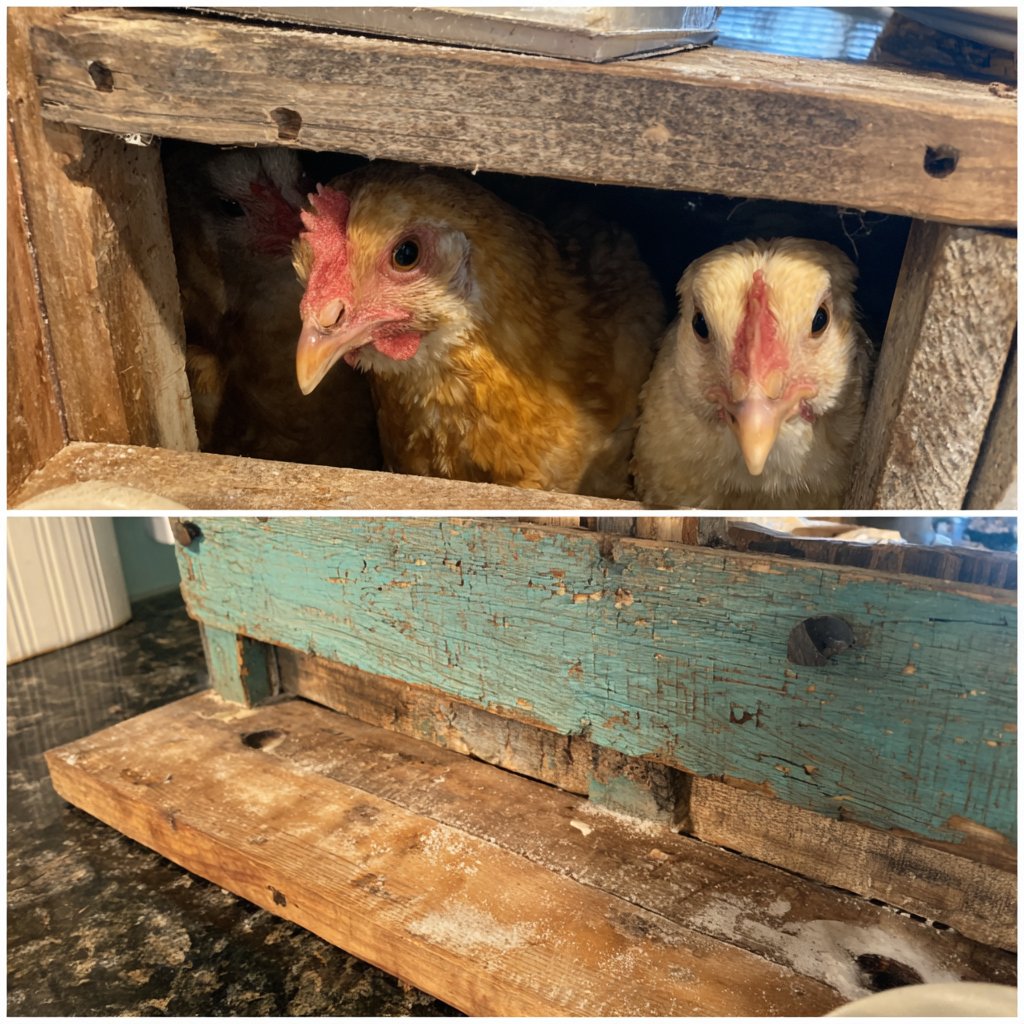
Why You'll Love These Ideas
- Maximized vertical space for happy chickens
- Creative designs that blend with your backyard style
- Simple DIY options for every skill level
Maximizing Vertical Space
One of the most effective ways to use a small backyard for your chicken run is to maximize vertical space. Consider incorporating multi-level platforms or perches using repurposed wood or pallets. This not only provides your chickens with a place to roost, but it also allows them to explore and exercise in an enriching environment. Be sure to build perches about 18 to 24 inches high—this mimics their natural habits and gives them a safe space to escape from any potential threats on the ground.
Hanging feeders and waterers are another great way to utilize vertical space. Suspend these essentials from the run's structure to keep them out of the dirt and litter. This not only promotes cleanliness but also encourages chickens to stretch and reach as they eat and drink. Ensure that these elevated fixtures are at a height accessible to your flock—typically around the shoulder height of your chickens—to foster comfort and ease.
Finally, consider installing climbing structures made from safe materials like untreated wood or natural branches. Chickens enjoy hopping and pecking around new features, so think creatively! A sloped ramp leading to a platform or a hanging ladder made from rope will keep your birds active. By adding these elements, you’re creating a dynamic environment that keeps their spirits high.
Creative Designs for Blending
When designing your chicken run, consider aesthetics as well as function. Use materials that fit well with your existing backyard landscape. For instance, painting your coop and run in coordinating colors will create a fabricated unity between your chicken area and your garden. Moreover, building the run with wood fence panels or decorative wire can add a rustic charm while maintaining the security necessary for your chickens.
Adding natural foliage not only enhances the visual appeal but also provides shade and shelter for your chickens. Planting safe herbs and shrubs around the run can create a visual barrier while offering dust bathing spots and natural foraging opportunities. Remember to select non-toxic plants such as marigolds, basil, or nasturtiums which not only look nice but are also beneficial for your flock’s health.
You might also consider incorporating decorative elements like trellises covered with climbing plants. Not only do they look stunning, but they also give your chickens a sense of security with added cover while promoting natural behaviors. Just ensure that any plants are non-toxic and do not disrupt the safety of the run.
Simple DIY Options
Building a chicken run does not have to be an overwhelming project. Many DIY options fit a variety of skill levels. For beginners, framing a simple run with wooden posts and chicken wire can be rewarding and effective. Be sure to secure the bottom of the wire a few inches underground to prevent predators from burrowing in. For added strength and durability, consider using pressure-treated wood, which can withstand the elements over time.
If you're feeling crafty, consider constructing a modular run. This can be built in sections, allowing for easy rearrangement or expansion as your flock grows. Using modular panels made from lightweight materials can simplify the process. Fastening, hinging, or locking panels allows you to adapt the layout whenever necessary, keeping your flock engaged and your setup fresh.
Lastly, creating movable runs—often called chicken tractors—is another exciting DIY project. This allows you to rotate your chickens throughout your backyard, providing them with fresh grazing spots while fertilizing the soil. Building a lightweight frame on wheels makes this process much easier. Just ensure they are secure and well-ventilated to keep your chickens comfortable while they enjoy new environments.
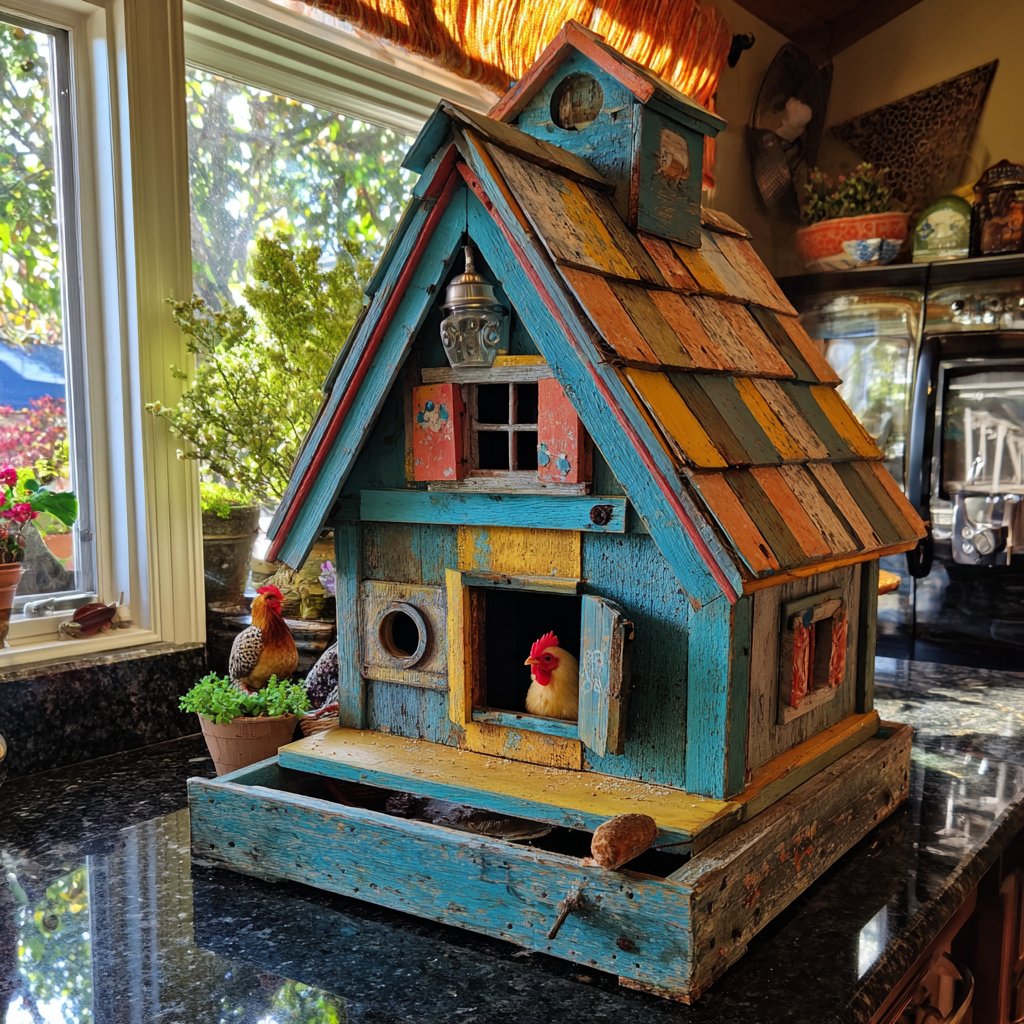
Pro Tips
- Consider using recycled materials for building the run. Pallets, old fencing, or reclaimed wood can create stylish and cost-effective structures.
Maintenance Tips for Your Run
Regular maintenance is key to keeping your chicken run safe and clean. Schedule a weekly cleaning routine to remove waste and old bedding, which helps to prevent pests and disease. A deep clean every month that includes washing all surfaces with a vinegar solution can help keep things fresh and sanitary for your chickens.
Inspect your run regularly, looking for wear and tear in the fencing or shelter. This proactive approach prevents potential escapes or predator attacks. Pay special attention to the joints and hinges on doors or gates to ensure they’re functioning properly. When spotting issues, make repairs promptly to maintain the safety and integrity of your space.
Also, check your chickens' health regularly as it reflects the conditions of their environment. If they seem lethargic or unwell, review their living conditions to ensure they have ample space, clean water, and appropriate shelter from weather elements. A well-maintained run contributes not only to the wellbeing of your chickens but to your enjoyment as a backyard chicken keeper.
Movement and Enrichment Strategies
Chickens are curious animals, and providing ways for them to explore and engage is crucial for their happiness. Rotate toys such as hanging cabbages or pecking balls filled with treats to keep things interesting. These activities help encourage natural foraging behaviors and provide mental stimulation. Spending time observing them interact with these toys can be particularly rewarding.
Creating a dust bath area is another great method for enriching their lives. Chickens love to take dust baths as it helps them keep their feathers clean and parasites at bay. Designate a low-sided box filled with fine soil, sand, and diatomaceous earth. This addition not only keeps them clean but adds an element of natural behavior into their daily routine.
Social interaction is also vital—chickens are flock animals. If you only have a couple of birds, consider expanding your flock to allow for natural social dynamics. Ensure you introduce new chickens gradually and monitor their interactions to avoid stress. This not only keeps your chickens happy but also encourages more diverse behaviors within your run.
Seasonal Adjustments
As the seasons change, so do the needs of your chicken run. In warmer months, providing sufficient shaded areas is essential to protect them from heat stress. Consider planting sunflowers or placing a tarp over part of the run to create a cool oasis. A shallow kiddie pool filled with water can also allow them to cool off while having fun.
During rainy seasons, ensure that your run is equipped with proper drainage to prevent flooding. Adding gravel to the ground can help with water flow and reduce mud accumulation. Providing dry areas with hay or straw will also keep your chickens comfortable and safe during wet weather.
In winter, focusing on insulation and warmth is crucial. Ensure that your coop is draft-free, adding extra bedding and roosting bars for colder nights. You might even consider a safe, low-wattage heat lamp if temperatures dip significantly. Creating a cozy environment for your chickens ensures they remain healthy and productive throughout the cold months.
Questions About Recipes
→ How much space do I need for my chickens?
Each chicken needs about 10 square feet of outdoor space to roam freely.
→ Can I keep my chickens safe from predators?
Yes! Use strong mesh or wire fencing, and consider adding a roof to the run to protect against aerial predators.
→ What kind of bedding should I use in the chicken run?
Straw, wood shavings, or grass clippings are great options for bedding that keeps the area dry and cozy.
→ Is it easy to clean a chicken run?
Absolutely! Regularly removing waste and replacing bedding makes for a hygienic environment for your chickens.
Chicken Run Ideas For Small Backyards
Created by: Sophia Lane
Recipe Type: Hearty Home Dishes
Skill Level: Beginner
Final Quantity: Up to 10 chickens
Extra Tips
- Consider using recycled materials for building the run. Pallets, old fencing, or reclaimed wood can create stylish and cost-effective structures.
Nutritional Breakdown (Per Serving)
- Calories: 0 kcal
- Total Fat: 0g
- Saturated Fat: 0g
- Cholesterol: 0mg
- Sodium: 0mg
- Total Carbohydrates: 0g
- Dietary Fiber: 0g
- Sugars: 0g
- Protein: 0g